Interventional Procedures
Minimally invasive treatments for targeted pain relief
Interventional spine procedures offer effective alternatives to surgery, providing targeted pain relief with minimal downtime. All procedures are performed using fluoroscopic or ultrasound guidance for maximum precision and safety.
These minimally invasive techniques allow us to deliver medication directly to the source of your pain or to interrupt pain signals, providing significant relief for many patients.
Our Procedures
Clear explanations of each procedure we offer
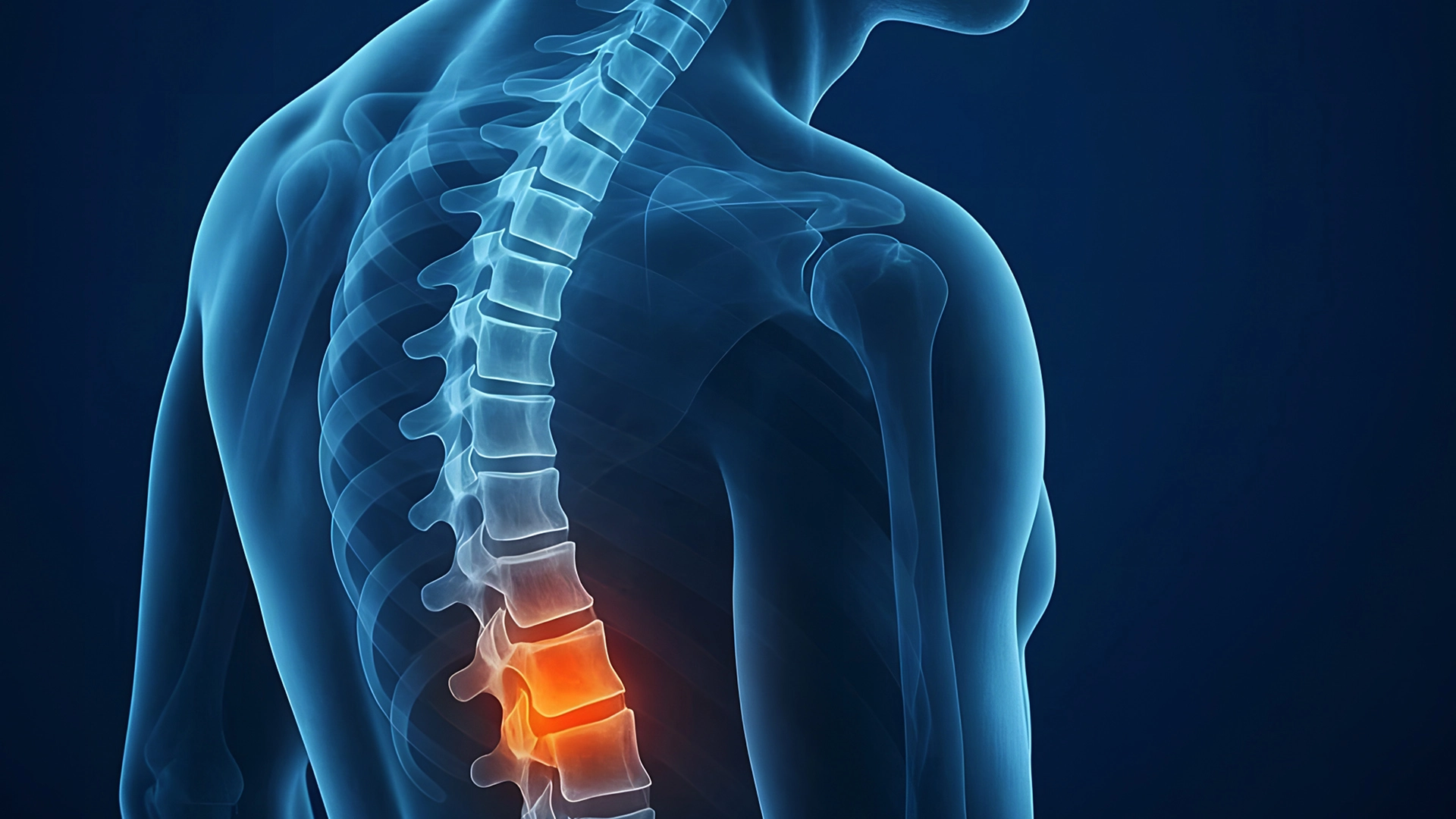
Epidural Injections
Anti-inflammatory medication delivered directly to the epidural space around the spinal cord and nerve roots.
Treats: Herniated discs, spinal stenosis, sciatica, nerve root compression
Benefits: Reduces inflammation, significant pain relief, improved mobility

Facet Injections
Targets small joints in the back of the spine that can become inflamed and painful.
Benefits: Diagnostic and therapeutic, reduces inflammation, improves range of motion
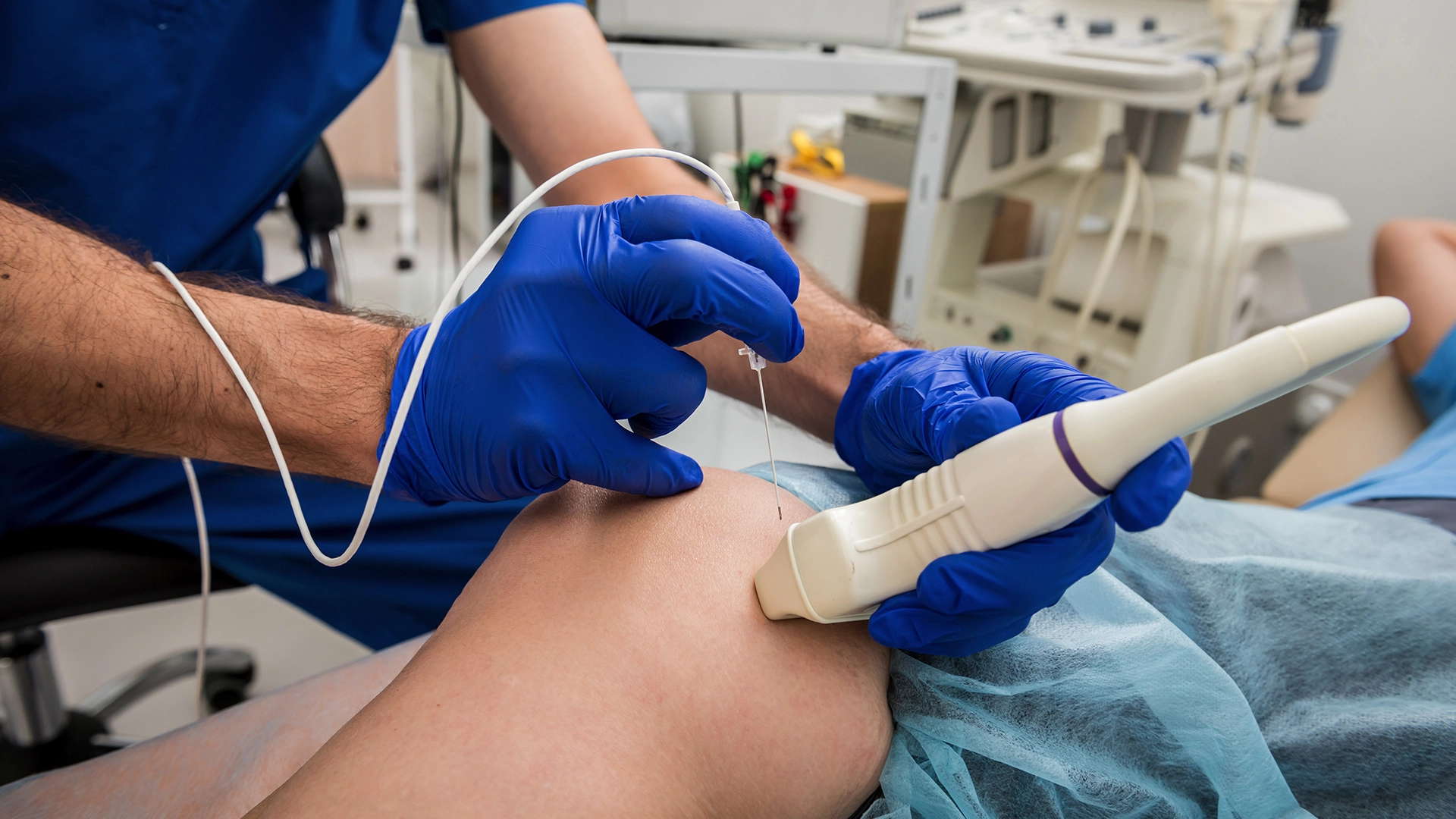
Radiofrequency Ablation
Uses heat from radio waves to interrupt pain signals from specific nerves.
Benefits: Long-term relief (6-12 months), minimal recovery, reduced medication needs

Joint Injections
Medication delivered directly into affected joints for targeted relief.
Treats: Shoulder, hip, knee, and other joint conditions
Benefits: Immediate relief, improved function
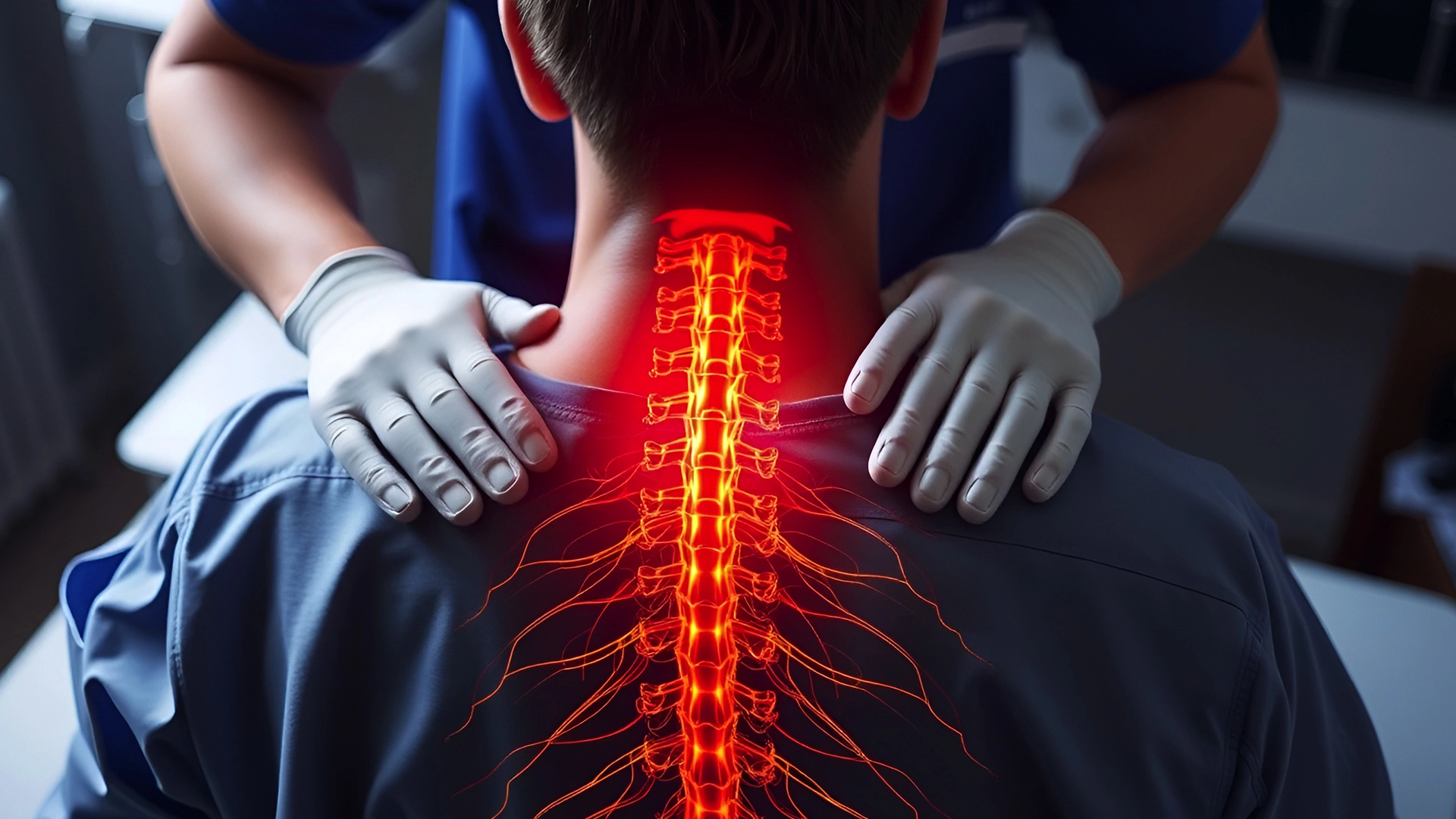
Nerve Blocks
Anesthetic or anti-inflammatory medication injected near specific nerves to block pain signals.
Benefits: Diagnostic and therapeutic, identifies pain sources while providing relief

Guidance Technology
All procedures performed with advanced imaging guidance for maximum precision and safety.
Guidance: Fluoroscopic (real-time X-ray) and ultrasound imaging
Benefits: Precise needle placement, enhanced safety, reduced procedure time
Benefits of Interventional Procedures
Targeted Relief
Minimally Invasive
Outpatient Procedures
Reduced Medication Needs
Improved Function
Alternative to Surgery
What to Expect
Before the Procedure
You'll receive detailed instructions on preparation, including any medications to avoid and what to expect during the procedure.
During the Procedure
Procedures typically take 15-30 minutes. Local anesthesia is used, and you'll be awake but comfortable throughout.
After the Procedure
Most patients can return to normal activities within 24 hours. You'll receive specific post-procedure instructions.
Interested in Learning More?
Schedule a consultation to discuss whether interventional procedures may be right for you.
Schedule Consultation